
Design Your Facility with Truck Scales in mind!
Some businesses require different truck scale foundation designs depending on the types of materials they are hauling and how quickly debris can be expected to build up around critical areas of the scale. Operations handling sand, aggregate, mulch, scrap, or other loose materials may see buildup occur much faster than facilities hauling cleaner loads.
Proper planning during the design stage can make a significant difference in how easy the scale is to maintain over time. Factors such as drainage, foundation height, access around the scale, and protection of critical components all play a role in preventing debris buildup and reducing long-term maintenance costs.
At Peninsula Scale Company, we often work with customers early in the planning process to help evaluate truck scale foundation designs and site layouts for new facilities. By coordinating with engineers, contractors, and plant managers, we can help ensure the scale installation is designed for the specific materials and operating conditions of the site. Thoughtful planning during this stage can make routine cleaning easier, protect sensitive components, and ultimately reduce the total cost of ownership for your truck scale system.
Truck Scale Height above ground
One of the most effective ways to make routine cleaning easier is to increase the height of the scale deck above the ground to ensure adequate cleanout access for your team. Most truck scales are installed with a standard foundation height that provides roughly 3 inches of clearance beneath the scale deck. This can work well for cleaner operations such as landfills, manufacturers, and distribution facilities. If the trucks being weighed are typically arriving from paved surfaces and do not have heavy debris or mud on their tires from off-road conditions, buildup around the scale is usually minimal.
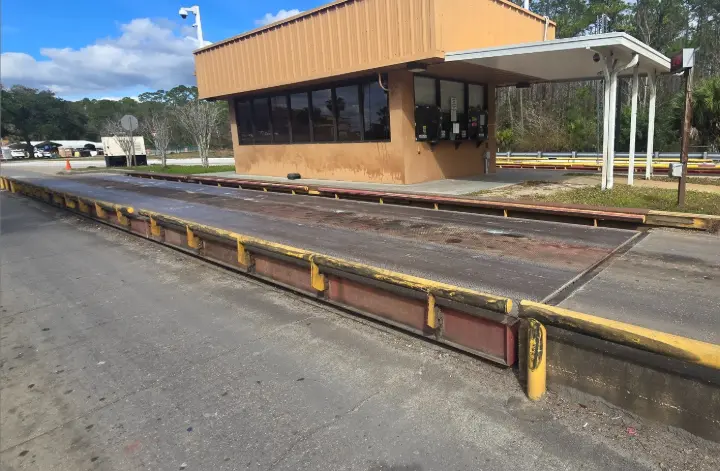
However, operations that handle bulk materials often benefit from additional clearance under the scale deck. We often refer to a “Goldilocks range” of clearance between 8 inches and 24 inches beneath the scale. This range typically provides enough space for maintenance crews to remove debris and perform routine cleaning without dramatically increasing construction costs.
Additional clearance can be especially helpful for businesses such as asphalt plants, aggregate yards, recycling operations, or other material-handling facilities where sticky materials can quickly build up into solid mounds in a matter of hours or days. When debris buildup interferes with the free movement of the scale, it can lead to weighing errors, lost revenue, and unnecessary truck scale service calls or calibration issues.
Of course, increasing the height of the scale also increases the cost of the foundation. Higher foundations require more steel and concrete, and they may also require longer approach ramps to transition trucks from grade level up to the scale deck. Finding the right balance between clearance, construction cost, and long-term maintainability is critical to reducing the total cost of truck scale ownership.
This is where proper planning becomes important. At Peninsula Scale Company, we often work with customers, engineers, and contractors during the design phase of a facility to help determine the most practical truck scale foundation height and layout for their specific operation. Considering factors such as material type, traffic patterns, drainage, and cleanout access early in the project can prevent costly maintenance challenges later.
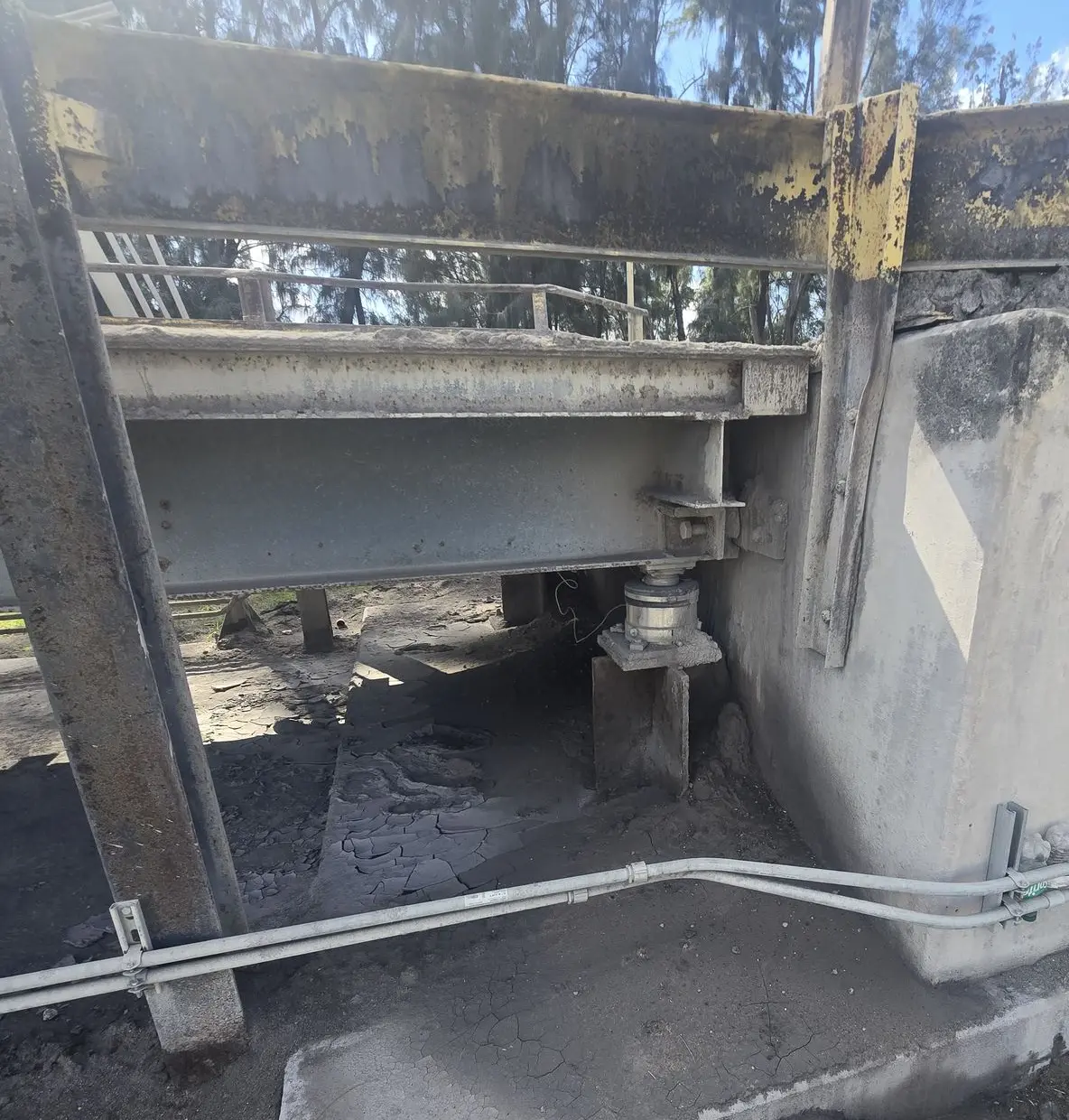
here is an example of a truck scale that is extremely high above ground level. In most situations this amount of clearance would be unnecessary, but in this case it was likely intentional. The site experiences frequent flooding and is operated by a concrete manufacturer, so the additional material costs for a larger foundation were relatively minor compared to the operational benefits of keeping the scale high and dry.
Concrete slab cleanout under scale deck
Another option to consider when designing your facility is including a thinner concrete slab—typically around 3 inches thick with a lower PSI rating—that covers the entire ground area beneath the scale deck. This creates a solid surface that allows debris to be easily washed or pushed clear during routine cleaning.
Without a slab in place, debris and dirt can gradually build up directly on the soil beneath the scale. Over time this buildup can change the elevation under the scale and make proper cleanout much more difficult. Correcting this type of problem later often requires removing material and re-grading the dirt beneath the scale, which can be far more labor-intensive than maintaining a clean surface from the beginning.
A simple cleanout slab can make routine truck scale maintenance much easier and help prevent debris buildup from interfering with normal scale movement.
Water and Power in your truck scale foundation
Simple things like including additional 110-volt power receptacles near the scale foundation can make routine maintenance much easier. These outlets provide a convenient place to plug in cleaning equipment such as electric pressure washers, leaf blowers, or other tools used during routine scale cleanout.
Including a water line in your foundation specifications may seem unnecessary at first, but having water readily available near the scale can make weekly or monthly cleaning much easier for your employees. When the proper utilities are available, removing debris becomes faster and more consistent.
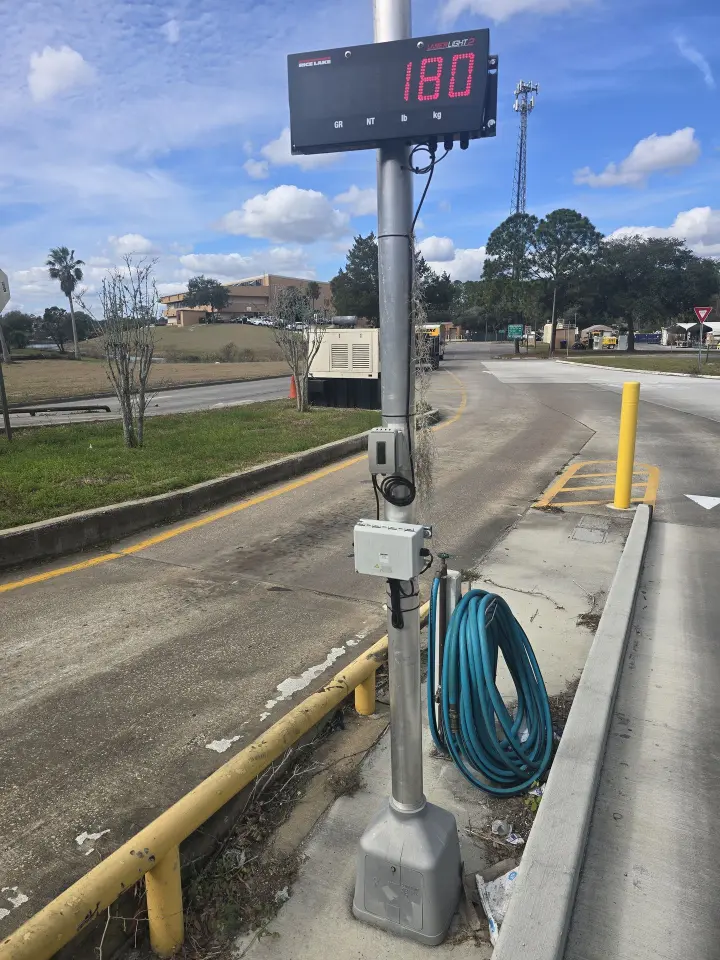
Staying on top of routine cleaning is one of the most important factors in maintaining accurate truck scale performance and avoiding unnecessary maintenance issues.
Truck Scale Placement and Traffic Flow
One detail that is often overlooked during truck scale planning and installation is the actual placement of the scale within the facility and how it affects truck traffic flow.
Where the scale is located on your property has a direct impact on how trucks approach and exit the scale. Standard commercial trucks require a fairly wide turning radius, and if they are forced to make tight turns immediately before getting onto the scale, it becomes much harder for drivers to line up correctly.
Ideally, trucks should be able to approach the scale in a straight line for a reasonable distance before driving onto the deck. This gives the driver time to center the vehicle properly and ensures that all axles are positioned correctly for accurate weighing.
When scales are placed too close to tight corners, gates, or other structures, drivers may approach the scale at an angle. This increases the likelihood of trucks:
- Riding up on or striking guide rails
- Drifting off the edge of the scale deck
- Misaligning axles during weighing
- Causing unnecessary wear or damage to the scale structure
In more severe cases, trucks can come off the edge of the scale, which can result in significant downtime, structural damage, and costly truck scale repairs.
Proper site layout and facility planning can help avoid these issues. Providing adequate straight approach distance, designing for the expected truck turning radius, and allowing enough space for safe entry and exit all contribute to safer operation and more consistent weighing.
At Peninsula Scale Company, we often work with customers during the early planning stages to evaluate scale placement, traffic patterns, and site constraints. Small adjustments to the layout—before construction begins—can greatly reduce the risk of accidents, improve driver experience, and help protect your investment over the long term.
Getting trucks straight before they enter the scale is a simple concept, but one that can make a big difference in reducing maintenance issues and keeping your operation running smoothly.
Proper drainage in your truck scale foundation is critical!
Having adequate slopes to shed water and material away from the scale—and ensuring they are designed large enough to handle the expected water load—is critical for truck scales in Central Florida, which regularly experience heavy rain events.
Without proper drainage, water can carry sand, mud, and debris directly into the scale foundation and load cell areas. Over time, this buildup can interfere with the natural movement of the scale deck, lead to corrosion of critical components, and increase the likelihood of truck scale service calls, repairs, and calibration issues.
Proper engineering and site design during the planning phase can prevent many of these problems before the scale is ever installed. Drainage swales, foundation slopes, trench drains, and material flow paths should all be considered when designing the scale location within the facility. These features help direct water and debris away from the scale, making routine maintenance easier and protecting sensitive scale components.
At Peninsula Scale Company, we often work with facility owners, engineers, and contractors early in the planning and construction process to help ensure truck scale installations are designed for long-term reliability. By reviewing site plans, traffic flow, drainage design, and foundation layout, we can help identify potential maintenance challenges before construction begins.
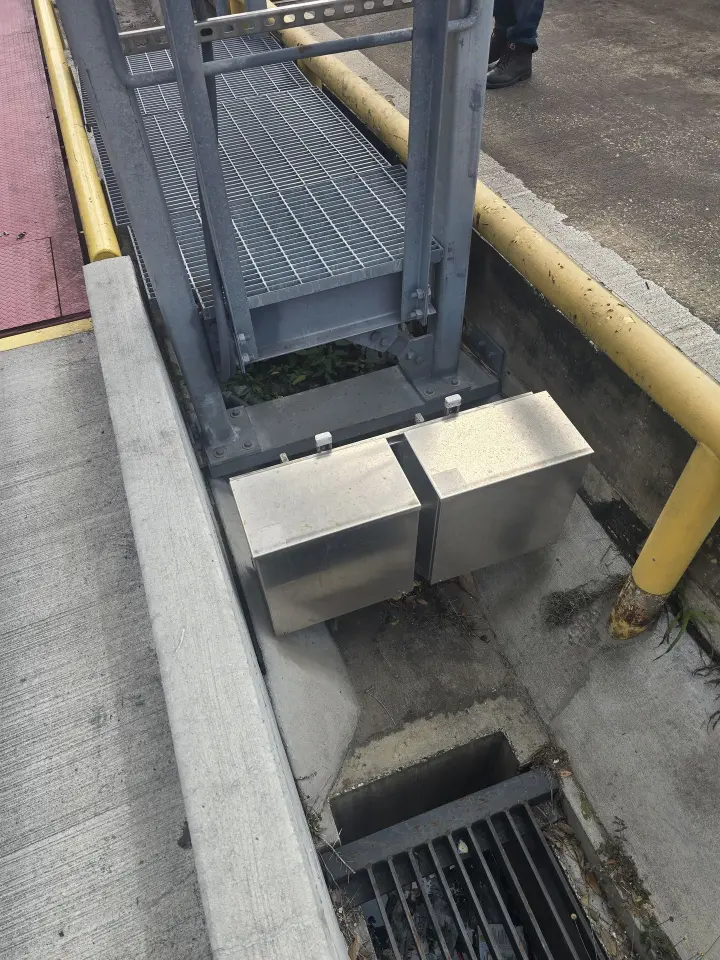
Being involved early in the engineering and facility design stage allows us to recommend practical solutions that improve cleanout access, protect scale electronics, and reduce the long-term total cost of truck scale ownership. For many customers, this level of planning can prevent costly redesigns later and ensure the scale system performs reliably for decades.
Summary: Proper Truck Scale Design, Specifications and Planning Reduce Long-Term Costs
By planning ahead during the engineering and facility design stage, businesses can dramatically reduce these problems. Factors such as truck scale foundation height, cleanout access, drainage design, cable protection, and proper site layout all play an important role in long-term reliability. A well-designed scale installation makes routine cleaning easier, protects sensitive load cell components, and helps maintain accurate truck scale calibration for years to come.
At Peninsula Scale Company, we work with customers throughout the planning, construction, and operational phases of their facilities. Our team regularly assists with:
- Truck scale installation planning and facility design
- Truck scale calibration and preventative maintenance
- Truck scale repair and troubleshooting
- Evaluating foundation designs and site layouts for long-term reliability
By getting involved early in the engineering and construction process, we can help identify potential issues before they become expensive problems—helping you reduce downtime and lower the total cost of truck scale ownership.
If your facility is planning a new truck scale installation, upgrading an existing scale, or simply needs help with truck scale calibration, repairs, or maintenance, the experts at Peninsula Scale Company are here to help.
📞 Call us today to discuss your truck scale project
📧 Email our team to schedule service or request design guidance
We’re always happy to help you design, maintain, and operate reliable truck scale systems that support your business for decades to come.