
Truck Scale Maintenance
One of the simplest things our customers can do to decrease the cost of routine maintenance from their truck scale calibration service provider is to make sure their truck scales are kept clean and clear of debris at all times.
Keeping your truck scale clean is easy!
You just have to stay on top of it before it gets so bad that it becomes a project.
But no one wants to talk about it… much less schedule it and follow through with doing it. There always seem to be more urgent repairs and fires to put out at your facility, so it falls down the list. It is often a messy job and one that is viewed more like a punishment by many of the employees we talk to at our customer sites.
The “new guy” is usually the one who gets stuck with the short straw, and without the proper guidance this can quickly turn into a costly decision that may lead to unnecessary truck scale repairs or calibration issues.
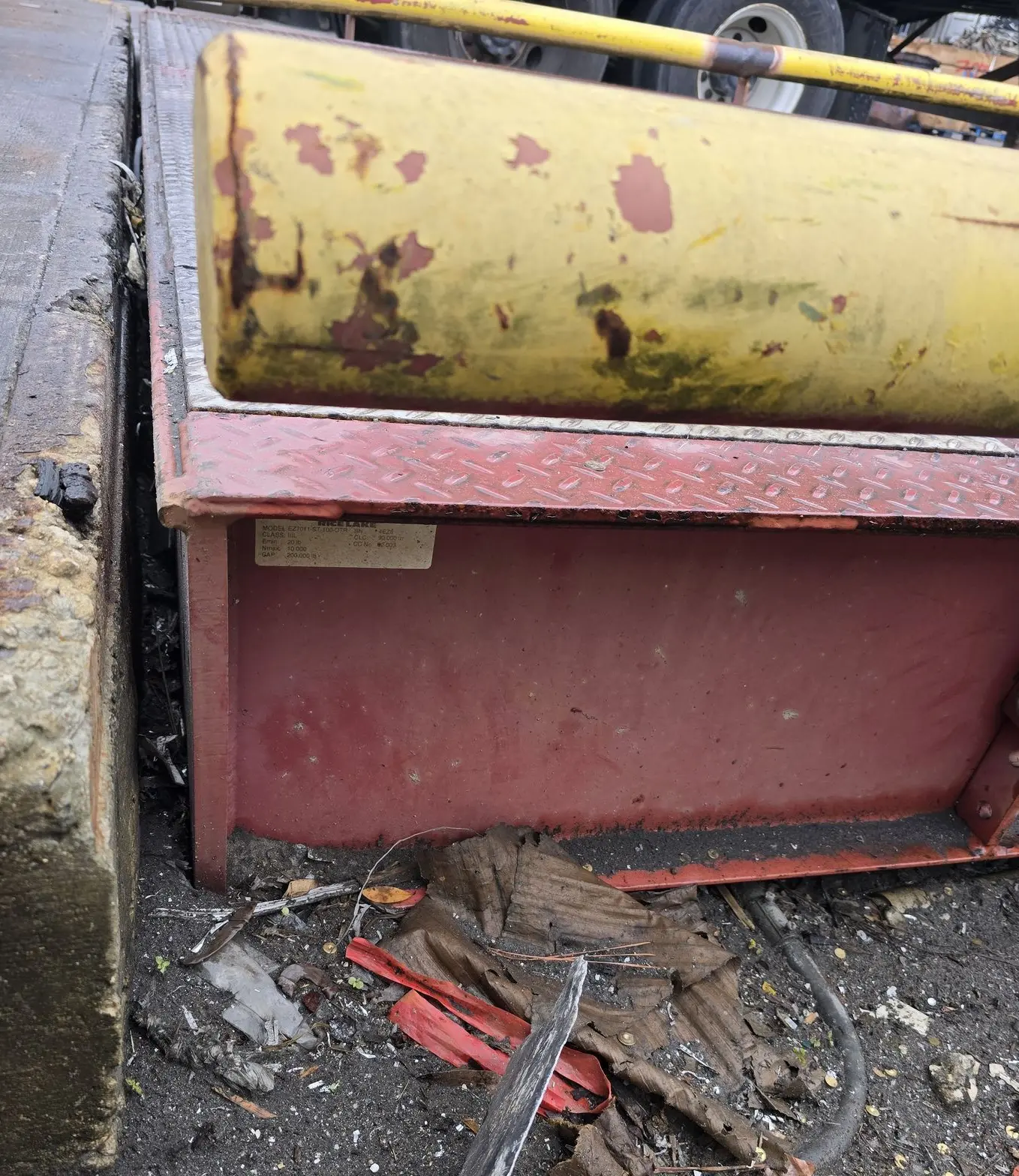
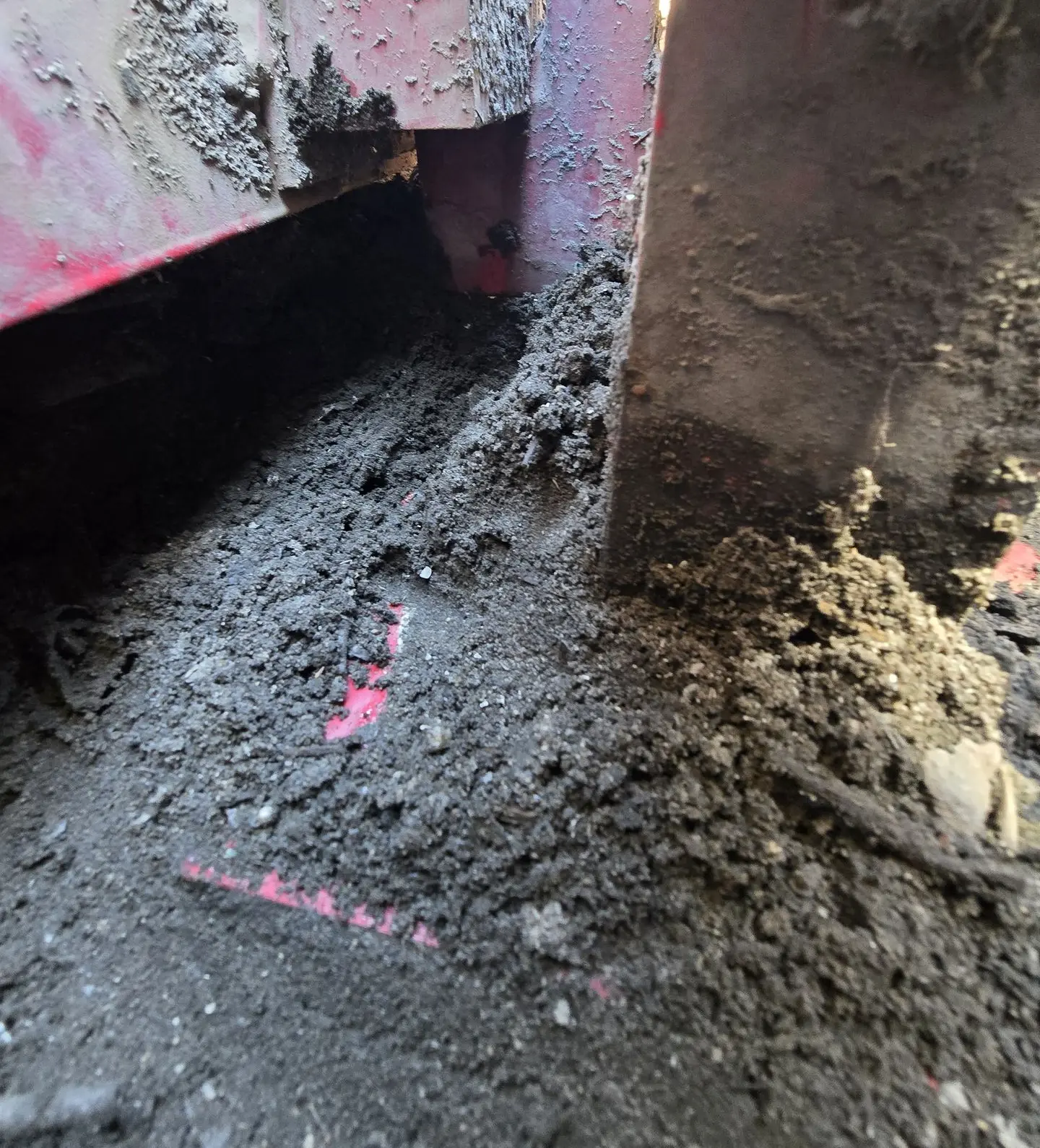
It is a problem that literally creeps up on you over many months until suddenly production reports are light, inventory reports no longer match, lost revenue is causing a fuss, and now plant downtime has everyone concerned. Then the call comes into the scale company to come “fix the scale,” when there is really nothing wrong with it—other than debris buildup that is interfering with normal operation and affecting truck scale calibration accuracy.
Specialized Tools for Cleaning Truck Scales
One challenge of keeping the scale clean is the tight clearances typically found between the scale and the foundation or surrounding structures. Having the truck scale located in and around other key components of the facility can present additional clearance challenges for your team when performing routine cleaning and maintenance.
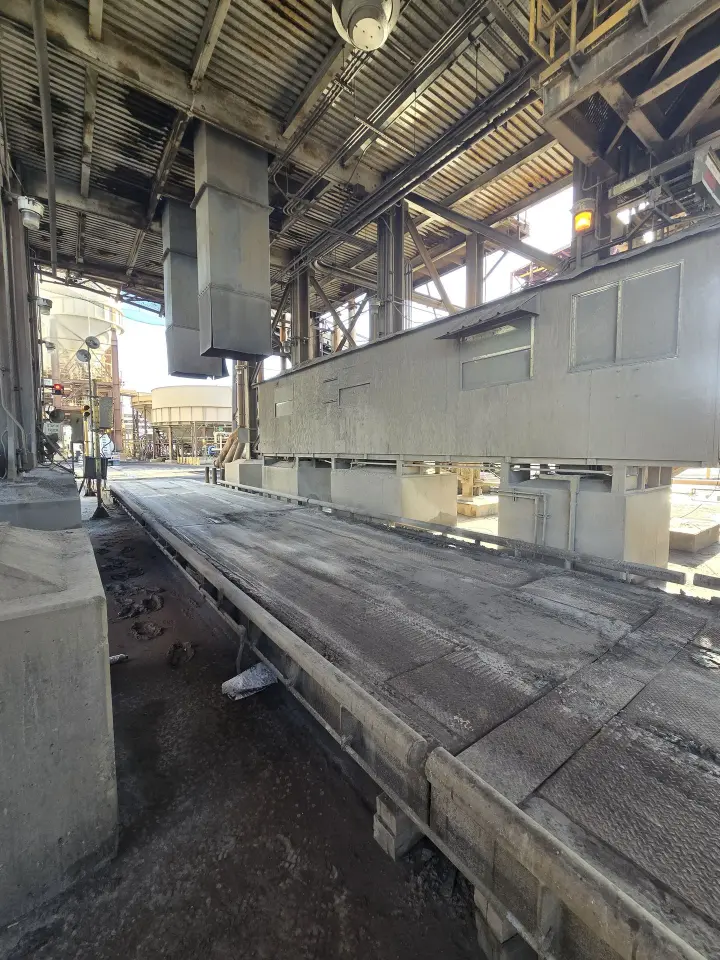
Having specialty tools—often modified from other common items readily available to your team—can make everyone much more effective at removing material quickly without damaging critical components of the scale.
Some of these items may include:
- A rake with an extended handle (8–10 feet) that can be used to push material out from under the scale
- A pressure washer with a specialty extended wand (8+ feet long) to reach under the scale deck and blow material clear
- Concrete tools, such as an already damaged bull float, can sometimes be given a second life as a scale cleanout tool
- Water trucks are great for moving large volumes of water to help push material away from the scale
- Simple tools like a machete can be used to clear the narrow space between the scale deck and the concrete approach
Can we fix a dirty truck scale for you?
We certainly can but it is usually not the most economical way to resolve the issue. A typical scale company may charge $120 to $180 per hour per technician for specialized heavy-capacity truck scale service, calibration, and repair work in 2026. It generally does not make good financial sense to have a scale company onsite performing basic cleanout work that could be handled internally. In many cases, this type of task can be completed by less experienced members of your team or even contracted to a temporary labor service company for a fraction of the cost.
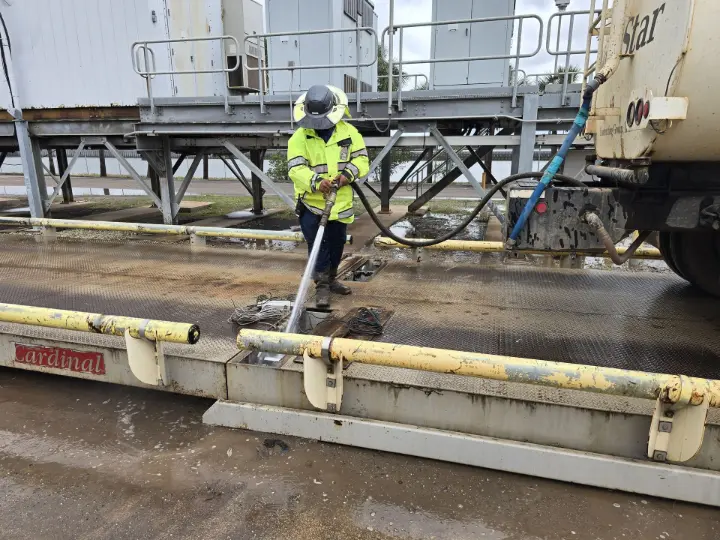
However, by the time the issue becomes noticeable, it is often treated as an emergency. When technicians arrive onsite, we cannot properly diagnose electronics or verify truck scale calibration accuracy until any mechanical alternative load paths created by debris buildup have been removed. As a result, the first step in many service calls is clearing debris so the scale can move freely again.
A practical balance is often to have your scale company send a single technician in a standard service vehicle to help supervise the cleanout process. This allows your team to handle the physical work while ensuring the scale is cleaned properly and critical components are protected from damage. Once the debris is cleared, the technician can then proceed with any necessary truck scale diagnostics, calibration checks, or repair work.
Can I damage my scale when I clean it?
One of the common concerns we hear is that an untrained maintenance team could cause more damage to the scale while trying to clean it than if the debris were simply left alone. In some situations this can be true especially with certain truck scale designs where sensitive components are more exposed.
When performing a scale cleanout, your team should be especially aware of load sensor grounding straps and load cell signal cables. These are critical components of the weighing system. Using sharp-edged tools or aggressive cleaning methods can easily cut, pinch, or damage these parts, potentially resulting in thousands of dollars in truck scale repair costs and additional downtime.
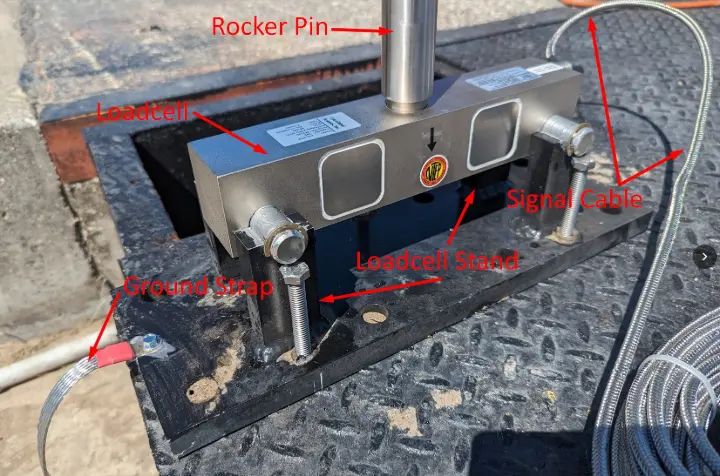
Taking a few minutes to identify and protect these components before beginning the cleanout process can help prevent unnecessary damage and ensure the scale can continue to operate accurately until the next truck scale calibration or service visit.
Here is a typical electronic load cell stand with the various components labeled.
Loadcell Grounding Straps
One of the most common components to become corroded or damaged over time are grounding straps. These are typically flat, braided tinned copper straps with bolt eyelets crimped on each end. Their purpose is to provide a low-resistance path for electrical surges to pass around the load cell instead of through it, protecting the sensitive internal strain gauges that are critical to accurate weighing.
Grounding straps are often the first components to become covered with debris because they are typically bolted to the lowest part of the load cell stand. As material builds up around the scale, these straps can become buried, corroded, or damaged.
Once a grounding strap fails, electrical surges may pass through the load cell as they search for a path to ground. This can easily damage the internal strain gauges and lead to expensive truck scale repairs and calibration issues that require professional service to correct.
Loadcell Signal Cables
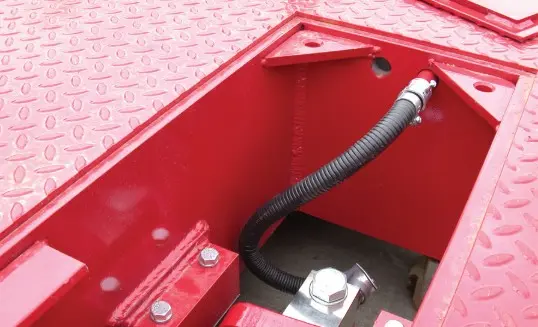
A well-designed electronic truck scale will include additional cable protection, such as flexible conduit running from the load sensor to the scale deck. This helps protect the signal cables from rodents, moisture, and mechanical damage that can occur during routine cleaning. It also reduces the risk of accidental damage from tools such as shovels or rakes when debris is being removed from around the scale. Protecting these cables is important because damage to signal wiring can quickly lead to truck scale repair issues and inaccurate weighing results.
Scale homerun cables to the office
Poorly installed truck scales can leave critical cables exposed to the elements and vulnerable to cleaning crews. One misstep with a shovel can quickly turn into a costly service call to repair damaged wiring and re-calibrate the scale.
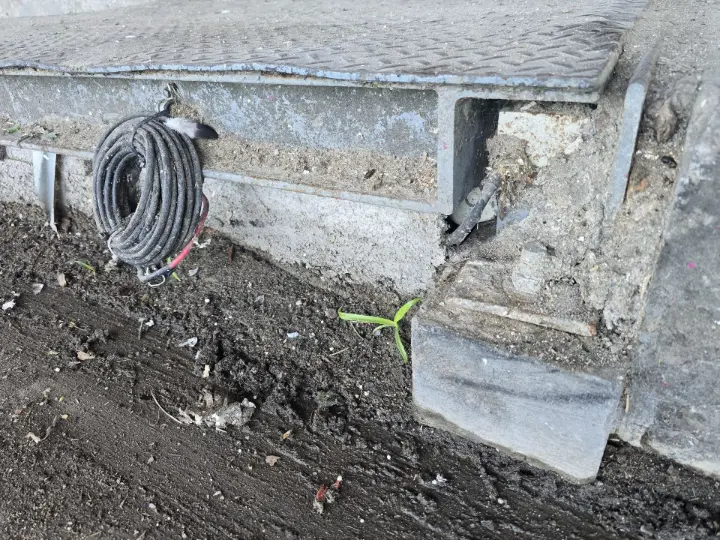
In this example, debris and dirt are packed into the load cell area, and the cables are fully exposed. This makes cleaning the scale without causing damage extremely difficult. It is a good example of a scale installation that would be very difficult to maintain and could easily lead to repeated truck scale repairs and calibration issues over time.
Design your facility properly
Some businesses require different truck scale foundation designs depending on the types of materials they are hauling and how quickly debris can be expected to build up around critical areas of the scale. Operations handling sand, aggregate, mulch, scrap, or other loose materials may see buildup occur much faster than facilities hauling cleaner loads.
Proper planning during the design stage can make a significant difference in how easy the scale is to maintain over time. Factors such as drainage, foundation height, access around the scale, and protection of critical components all play a role in preventing debris buildup and reducing long-term maintenance costs.
At Peninsula Scale Company, we often work with customers early in the planning process to help evaluate truck scale foundation designs and site layouts for new facilities. By coordinating with engineers, contractors, and plant managers, we can help ensure the scale installation is designed for the specific materials and operating conditions of the site. Thoughtful planning during this stage can make routine cleaning easier, protect sensitive components, and ultimately reduce the total cost of ownership for your truck scale system.
Truck Scale Height above ground
One of the most effective ways to make routine cleaning easier is to increase the height of the scale deck above the ground to ensure adequate cleanout access for your team. Most truck scales are installed with a standard foundation height that provides roughly 3 inches of clearance beneath the scale deck. This can work well for cleaner operations such as landfills, manufacturers, and distribution facilities. If the trucks being weighed are typically arriving from paved surfaces and do not have heavy debris or mud on their tires from off-road conditions, buildup around the scale is usually minimal.
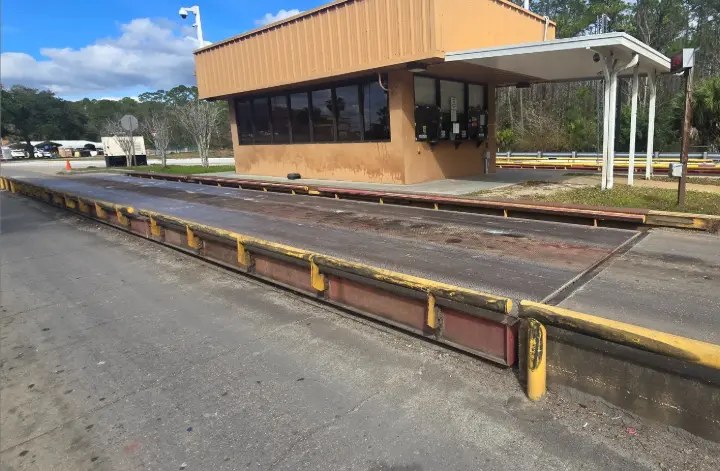
However, operations that handle bulk materials often benefit from additional clearance under the scale deck. We often refer to a “Goldilocks range” of clearance between 8 inches and 24 inches beneath the scale. This range typically provides enough space for maintenance crews to remove debris and perform routine cleaning without dramatically increasing construction costs.
Additional clearance can be especially helpful for businesses such as asphalt plants, aggregate yards, recycling operations, or other material-handling facilities where sticky materials can quickly build up into solid mounds in a matter of hours or days. When debris buildup interferes with the free movement of the scale, it can lead to weighing errors, lost revenue, and unnecessary truck scale service calls or calibration issues.
Of course, increasing the height of the scale also increases the cost of the foundation. Higher foundations require more steel and concrete, and they may also require longer approach ramps to transition trucks from grade level up to the scale deck. Finding the right balance between clearance, construction cost, and long-term maintainability is critical to reducing the total cost of truck scale ownership.
This is where proper planning becomes important. At Peninsula Scale Company, we often work with customers, engineers, and contractors during the design phase of a facility to help determine the most practical truck scale foundation height and layout for their specific operation. Considering factors such as material type, traffic patterns, drainage, and cleanout access early in the project can prevent maintenance challenges later.
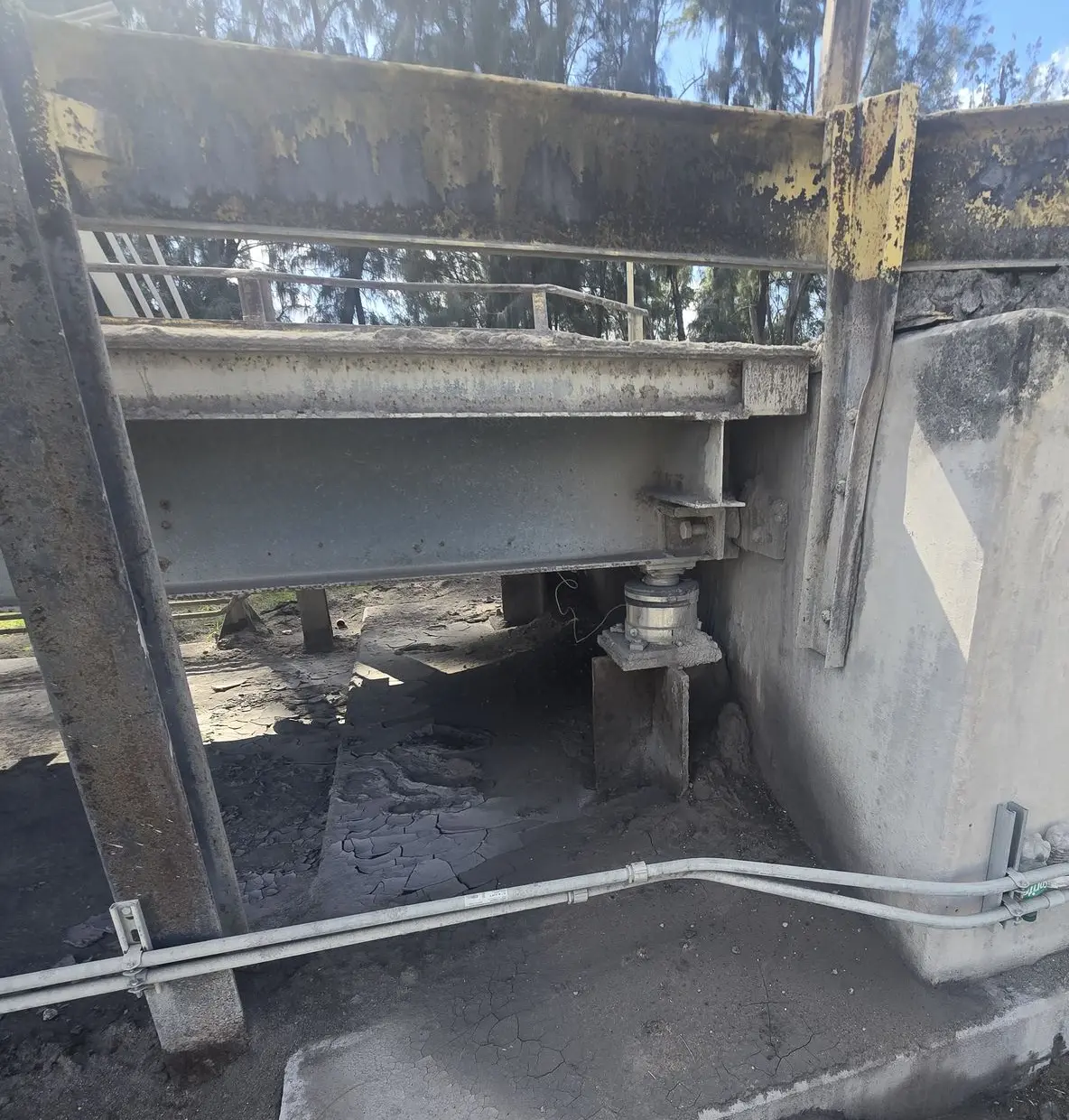
here is an example of a truck scale that is extremely high above ground level. In most situations this amount of clearance would be unnecessary, but in this case it was likely intentional. The site experiences frequent flooding and is operated by a concrete manufacturer, so the additional material costs for a larger foundation were relatively minor compared to the operational benefits.
Concrete slab cleanout under scale deck
Another option to consider when designing your facility is including a thinner concrete slab—typically around 3 inches thick with a lower PSI rating—that covers the entire ground area beneath the scale deck. This creates a solid surface that allows debris to be easily washed or pushed clear during routine cleaning.
Without a slab in place, debris and dirt can gradually build up directly on the soil beneath the scale. Over time this buildup can change the elevation under the scale and make proper cleanout much more difficult. Correcting this type of problem later often requires removing material and re-grading the dirt beneath the scale, which can be far more labor-intensive than maintaining a clean surface from the beginning.
A simple cleanout slab can make routine truck scale maintenance much easier and help prevent debris buildup from interfering with normal scale movement.
Water and Power nearby
Simple things like including additional 110-volt power receptacles near the scale foundation can make routine maintenance much easier. These outlets provide a convenient place to plug in cleaning equipment such as electric pressure washers, leaf blowers, or other tools used during routine scale cleanout.
Including a water line in your foundation specifications may seem unnecessary at first, but having water readily available near the scale can make weekly or monthly cleaning much easier for your employees. When the proper utilities are available, removing debris becomes faster and more consistent.
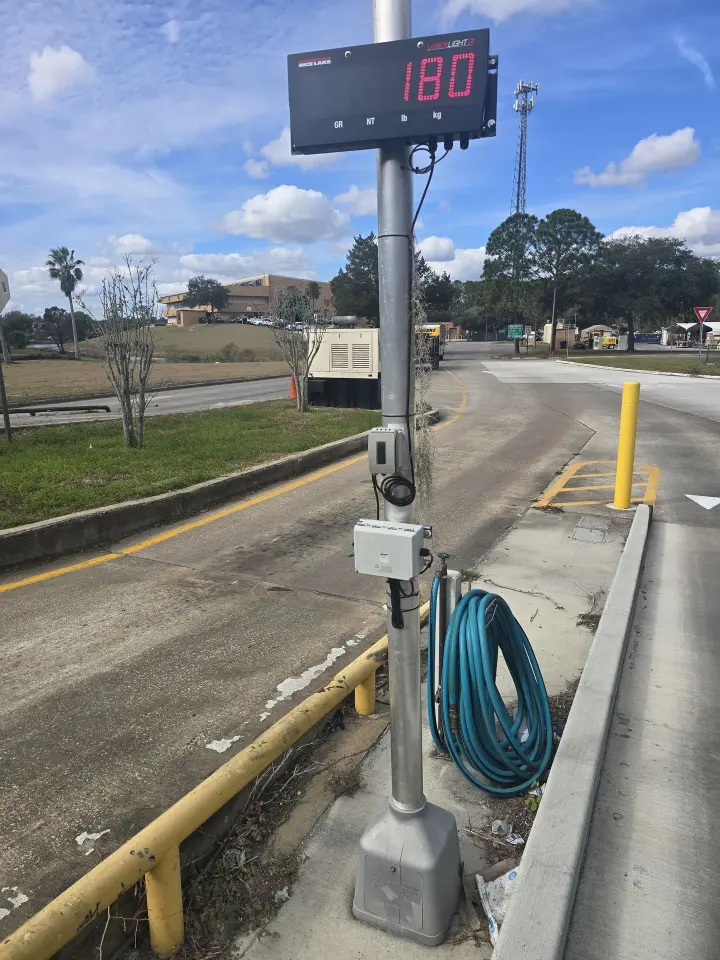
Staying on top of routine cleaning is one of the most important factors in maintaining accurate truck scale performance and avoiding unnecessary maintenance issues.
Proper drainage is critical!
Having adequate slopes to shed water and material away from the scale—and ensuring they are designed large enough to handle the expected water load—is critical for truck scales in Central Florida, which regularly experience heavy rain events.
Without proper drainage, water can carry sand, mud, and debris directly into the scale foundation and load cell areas. Over time, this buildup can interfere with the natural movement of the scale deck, lead to corrosion of critical components, and increase the likelihood of truck scale service calls, repairs, and calibration issues.
Proper engineering and site design during the planning phase can prevent many of these problems before the scale is ever installed. Drainage swales, foundation slopes, trench drains, and material flow paths should all be considered when designing the scale location within the facility. These features help direct water and debris away from the scale, making routine maintenance easier and protecting sensitive scale components.
At Peninsula Scale Company, we often work with facility owners, engineers, and contractors early in the planning and construction process to help ensure truck scale installations are designed for long-term reliability. By reviewing site plans, traffic flow, drainage design, and foundation layout, we can help identify potential maintenance challenges before construction begins.
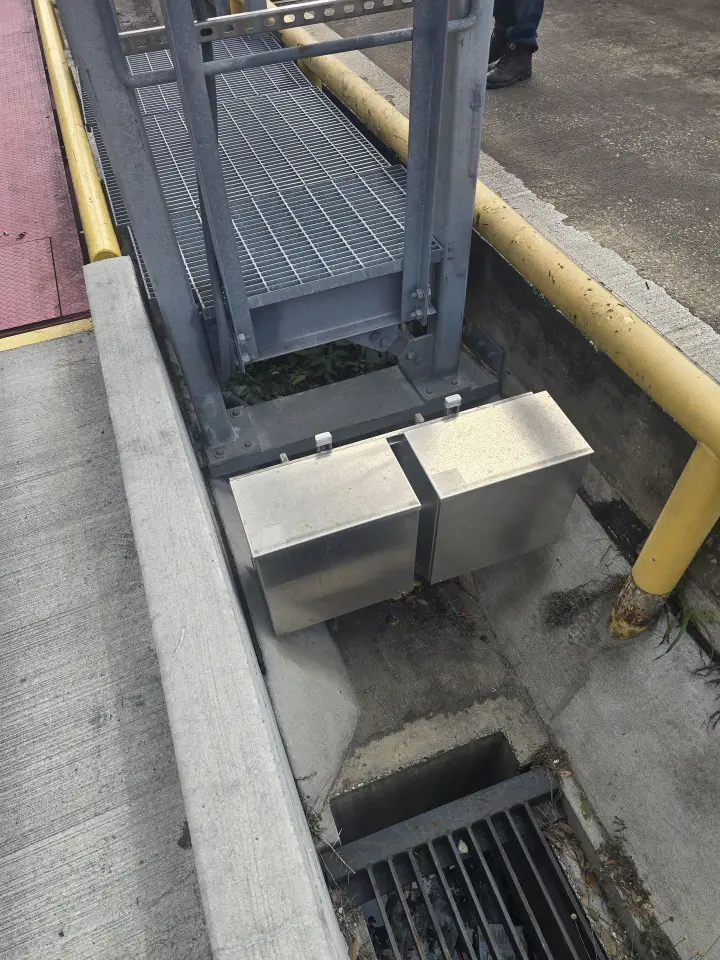
Being involved early in the engineering and facility design stage allows us to recommend practical solutions that improve cleanout access, protect scale electronics, and reduce the long-term total cost of truck scale ownership. For many customers, this level of planning can prevent costly redesigns later and ensure the scale system performs reliably for decades.
Summary: Proper Truck Scale Cleaning & Maintenance Reduce Long-Term Costs
Keeping your truck scale clean and properly maintained is one of the simplest ways to protect your weighing accuracy and reduce unnecessary truck scale repair and calibration costs. Debris buildup, poor drainage, limited cleanout access, and poorly protected cables can all lead to inaccurate weights, costly service calls, and unexpected downtime.
At Peninsula Scale Company, we work with customers to help with ongoing truck scale maintenance, calibration & repairs. It is always better to plan ahead and keep your truck scale clean than to try to scramble for a quick fix once it is too late.
If your facility is planning a new truck scale installation, upgrading an existing scale, or simply needs help with truck scale calibration, repairs, or maintenance, the experts at Peninsula Scale Company are here to help.
📞 Call us today to discuss your truck scale project
📧 Email our team to schedule service or request design guidance
We’re always happy to help you design, maintain, and operate reliable truck scale systems that support your business for decades to come.